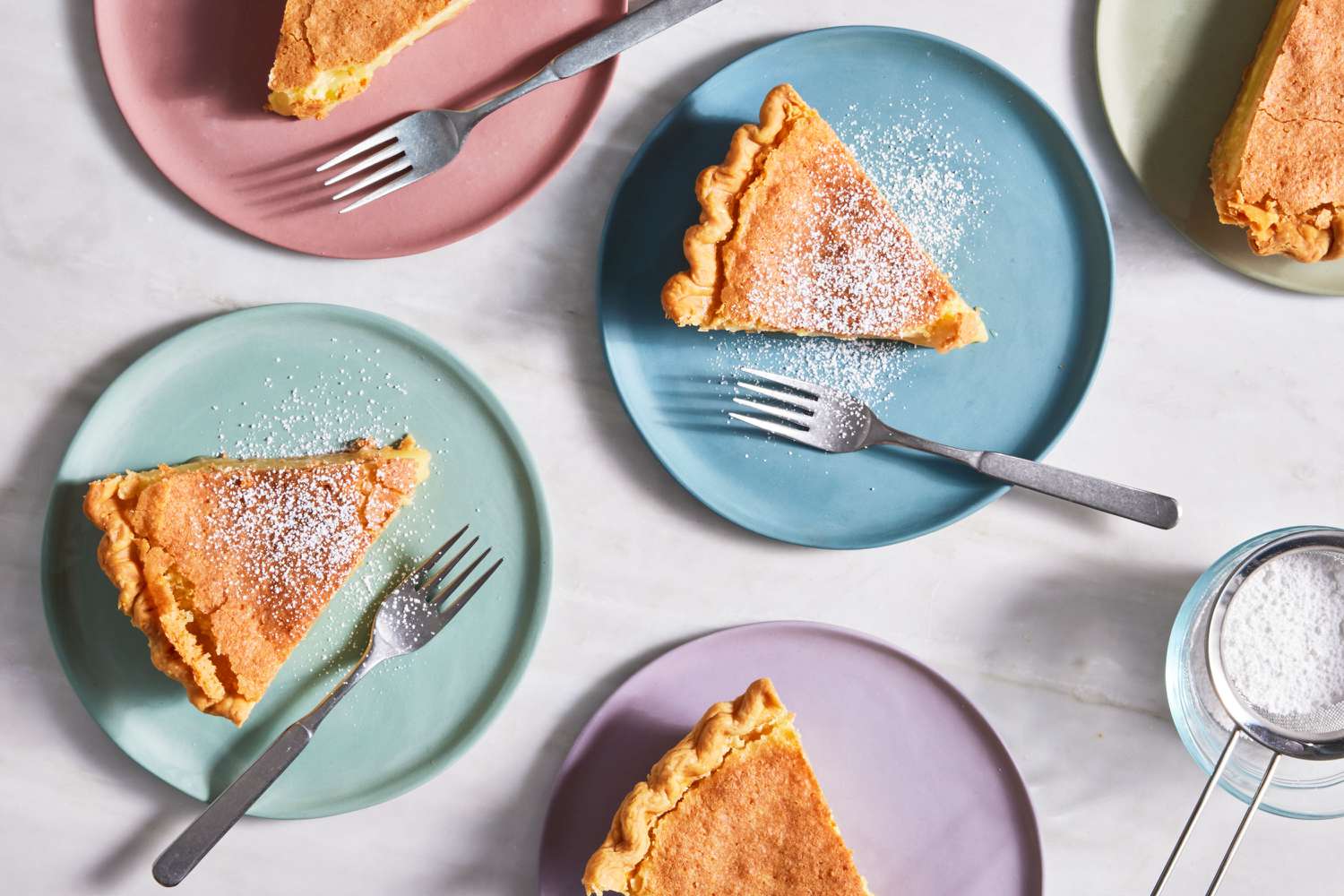
Easy Southern Chess Pie: The Classic Custard Dessert Recipe You'll Adore
Few desserts evoke the warmth and hospitality of the American South quite like a classic
chess pie. This humble yet profoundly satisfying custard pie, with its rich, sweet filling and perfectly flaky crust, has graced Southern tables for generations. More than just a simple sweet treat, it’s a culinary hug, a slice of comforting tradition that instantly transports you to grandma's kitchen. And the best part? Despite its incredible flavor and storied history, making an authentic Southern
chess pie is surprisingly easy, relying on a handful of pantry staples you likely already have on hand.
Forget complicated techniques or exotic ingredients; the magic of
chess pie lies in its straightforward approach. This article will guide you through understanding, baking, and savoring this iconic dessert, ensuring your homemade version is every bit as delicious as the ones found in the most cherished Southern bakeries. Prepare to master a recipe that will become an instant family favorite, perfect for any occasion – from a casual weeknight dessert to a festive holiday spread.
What Makes a Chess Pie a Southern Sweetheart?
At its heart,
chess pie is a quintessential custard pie, celebrated for its unique texture: a gooey, almost fudgy center encased by a delicately golden, slightly crackled top crust and a tender, buttery pie shell. While its roots trace back to England in the 17th century, where early versions appeared in historic cookbooks like Martha Washington’s Booke of Cookery, it truly blossomed into the beloved classic we know today within the Southern United States. If you're curious about its fascinating journey, dive deeper into
The History of Chess Pie: Simple Ingredients, Southern Legacy.
It's important to note that while many Southern custard pies exist,
chess pie stands distinctly apart from its cousin, buttermilk pie. Both are incredibly delicious, but
chess pie typically features a sweeter, richer profile, often with the unique addition of cornmeal which contributes to its signature texture and helps create that desirable golden crust. Buttermilk pie, as its name suggests, leans on buttermilk for a tangier, often lighter custard. Once you taste a true
chess pie, you'll understand why it holds such a special place in the Southern culinary repertoire. Its enduring popularity stems from its comforting simplicity and the sheer deliciousness that comes from basic ingredients perfectly combined.
The Magic Behind the Chess Pie's Signature Gooey Custard and Golden Crust
The allure of a well-made
chess pie lies in its textural masterpiece: that sweet, almost chewy filling beneath a crisp, often crinkly surface, all nestled in a flaky crust. Achieving this perfection relies on a few key, humble ingredients and a couple of simple techniques.
Let's break down the essential components that make this
easy chess pie recipe so phenomenal:
*
Eggs (Room Temperature): These are the backbone of any custard. Using room temperature eggs is crucial as they emulsify more easily with other ingredients, leading to a smoother, more homogenous custard mixture and a consistently creamy texture in the finished pie.
*
Granulated White Sugar: Make no mistake,
chess pie is meant to be sweet! Expect to use a generous amount, as sugar not only provides flavor but also contributes significantly to the pie's structure and its characteristic gooey consistency.
*
Whole Milk (or Evaporated Milk): The liquid base for our rich custard. Whole milk offers full flavor, but evaporated milk can also be used for an even creamier, slightly denser result.
*
Unsalted Butter (Melted and Cooled, or Room Temperature): Butter brings unparalleled richness. If using melted butter, ensure it's cooled slightly before incorporating to avoid scrambling the eggs. For an even lighter and fluffier initial mixture, creaming softened butter with sugar is a fantastic technique that introduces air and ensures an incredibly tender crumb.
*
Vanilla Extract: A touch of vanilla elevates all the other flavors, adding a warm, aromatic depth that's synonymous with classic Southern desserts. If opting for imitation vanilla, use slightly less to prevent an overpowering flavor.
*
Yellow Cornmeal: This is a standout ingredient for
chess pie, setting it apart from many other custard pies. Cornmeal plays a dual role: it acts as a thickening agent, contributing to that distinctive gooey chew, and perhaps even more importantly, it rises to the top during baking, helping to form that glorious, perfectly golden-brown crust. Without it, your pie wouldn't have that iconic texture or appearance.
*
The "Secret" Ingredient: Lemon Juice or Vinegar: Many traditional
Southern chess pie recipes call for a splash of vinegar, and for good reason. While you won't taste it directly, this acidic component serves several functions: it brightens the overall flavor, cuts through the richness, and some believe it helps to achieve that slight "crack" on the top crust. Given modern availability, lemon juice is an excellent substitute, offering a beautiful tangy zest that complements the sweetness perfectly.
For the crust, while a store-bought pie shell offers an undeniably easy shortcut, a flaky, homemade pie crust takes this dessert to an entirely new level. The contrast between the crisp, buttery pastry and the sweet, smooth filling is simply sublime. For a deep dive into mastering this essential component and more, explore our comprehensive guide:
Perfect Chess Pie: Guide to the Gooey Custard & Golden Crust.
Crafting Your Easy Southern Chess Pie: Tips for Success
Making this classic is genuinely straightforward, but a few practical tips can ensure your
easy chess pie recipe turns out perfectly every time.
1.
Preparation is Key: Gather all your ingredients and ensure your eggs and butter are at room temperature as specified. This simple step contributes significantly to the smoothness and consistency of your filling. If you're using a homemade pie crust, have it ready and chilled in your pie plate. If using store-bought, simply unroll it into your pie plate.
2.
Creaming the Foundation: If using softened butter, begin by creaming the butter and granulated sugar together until the mixture is light, fluffy, and pale yellow. This incorporates air, resulting in a tenderer filling. If using melted butter, simply whisk it in with the sugar until well combined.
3.
Whip it Good: In a separate bowl, lightly beat the room temperature eggs. Then, gradually whisk in the milk, vanilla extract, lemon juice (or vinegar), and the cornmeal. Combining these liquid elements separately ensures everything is evenly distributed before introducing them to the butter and sugar mixture.
4.
Gentle Combination: Slowly pour the wet ingredients into your butter-sugar mixture, whisking continuously until everything is thoroughly combined and smooth. Avoid over-mixing once everything is together, as this can introduce too much air and lead to a more cake-like texture rather than a gooey custard.
5.
The Bake: Pour your smooth filling into your prepared pie crust. Bake in a preheated oven at a moderate temperature. The key to a perfect
chess pie is not to overbake it. The pie is done when the edges are set and lightly golden, but the center still has a slight, delicate jiggle. Overbaking can lead to a dry, crumbly texture and can cause the top to crack excessively.
6.
Cooling is Crucial: This might be the most challenging step because of the tempting aroma! Once baked, allow your
chess pie to cool completely on a wire rack for several hours, or even overnight, before slicing. This cooling period is absolutely essential for the custard to fully set and achieve its proper gooey consistency. Slicing too soon will result in a runny, disappointing pie.
Beyond the Bake: Serving, Storing, and Variations
Once your Easy Southern
Chess Pie has cooled to perfection, the moment of truth arrives! A slice of
chess pie is absolutely divine on its own, its sweetness and richness providing a complete dessert experience. However, it also pairs beautifully with a dollop of freshly whipped cream, a scoop of vanilla bean ice cream, or a handful of fresh berries to cut through the sweetness with a touch of tartness.
Storing Your Chess Pie: Due to its custard base,
chess pie is best stored in the refrigerator. Covered loosely with plastic wrap or aluminum foil, it will remain fresh for 3-4 days. It tastes fantastic chilled, or you can bring it to room temperature before serving if you prefer. While it's unlikely to last long, it's also a surprisingly delicious breakfast treat the next morning!
Exciting Variations to Explore:
The classic
chess pie is a masterpiece, but its versatility lends itself well to delicious twists:
*
Chocolate Chess Pie: For the chocolate lovers, simply whisk in a quarter to half cup of unsweetened cocoa powder to the dry ingredients for a rich, fudgy chocolate experience.
*
Lemon Chess Pie: Amplify the lemon flavor by adding the zest of one lemon along with the lemon juice for an even brighter, tangier custard.
*
Coconut Chess Pie: Stir in a cup of shredded sweetened coconut to the filling for a tropical twist on this Southern classic.
Embrace the Sweet Tradition
There's a reason why
chess pie has remained a beloved fixture in Southern kitchens for centuries. Its effortless charm, comforting sweetness, and perfectly gooey texture make it an irresistible dessert that truly embodies the spirit of homemade goodness. From its humble origins to its celebrated status today, the
easy chess pie recipe offers a delightful journey for any home baker. So gather your simple pantry ingredients, follow these tips, and prepare to bake a slice of Southern history that will bring joy to your table and delight to your palate. Happy baking!