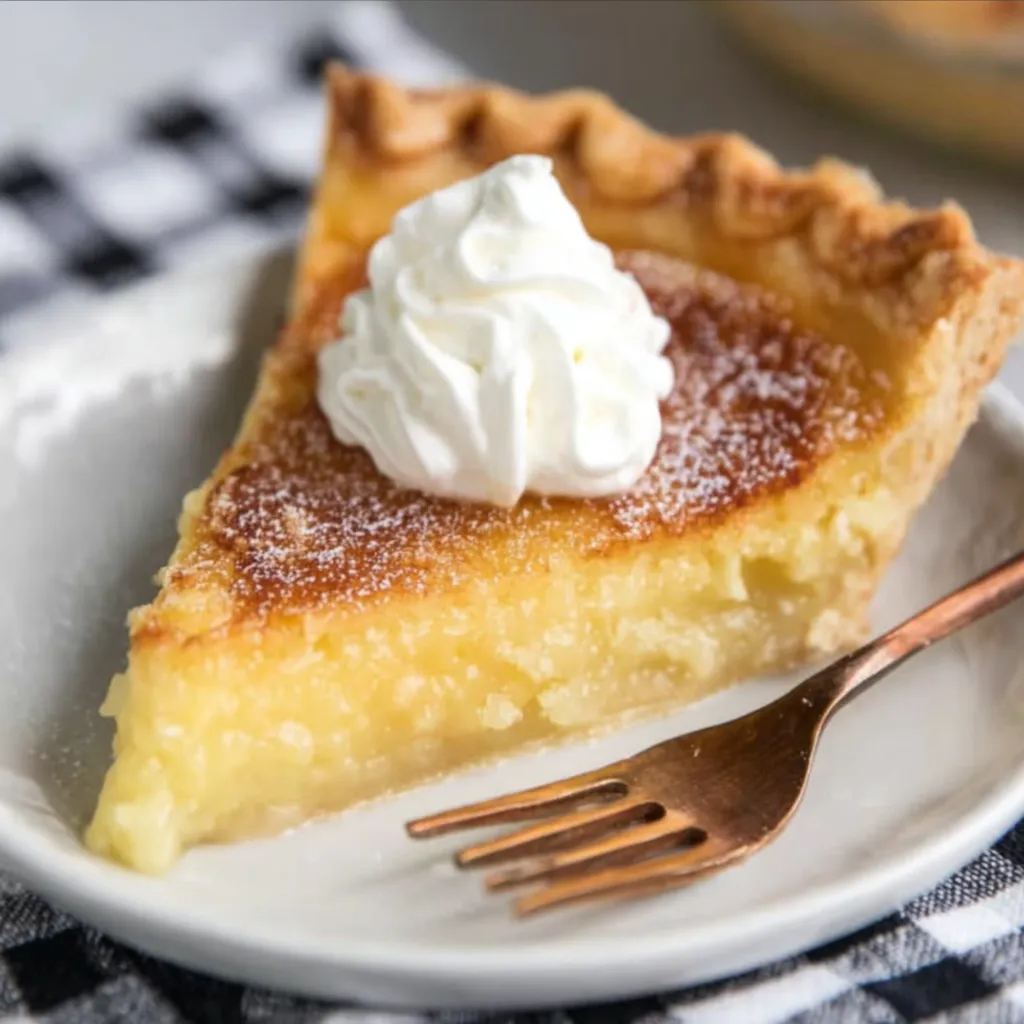
The Irresistible Allure of Perfect Chess Pie: A Southern Comfort Masterpiece
There are few desserts that evoke the warmth and tradition of Southern hospitality quite like a classic chess pie. With its signature gooey, custard-like filling and perfectly golden, often subtly cracked crust, this humble yet heavenly confection has been gracing tables for generations. Far from complicated, the beauty of a chess pie lies in its simplicity – relying on readily available pantry staples to create a dessert that is rich, sweet, and utterly satisfying. It’s the kind of pie that begs to be enjoyed slowly, perhaps with a cup of coffee, and definitely won't last long once guests (or family members) discover its comforting charm.
Often mistaken for its cousin, the buttermilk pie, a true Southern chess pie stands distinct. While both are custard pies, the chess pie boasts a unique richness and a slight tang, often attributed to a touch of acid, that sets it apart. It’s a testament to the idea that sometimes, the most profound flavors come from the most basic ingredients. If you're looking to dive into a baking tradition that's as rewarding as it is delicious, mastering the perfect chess pie is an excellent place to start. For those eager to try their hand at this delightful dessert, you can find a fantastic recipe and more tips at Easy Southern Chess Pie: The Classic Custard Dessert Recipe.
Unpacking the Gooey Goodness: Key Ingredients for Your Chess Pie
The magic of a truly perfect chess pie stems from a harmonious blend of simple components. Understanding the role each ingredient plays is key to achieving that ideal gooey custard and robust flavor profile. Forget fancy, obscure items; you likely have everything you need in your kitchen right now:
- Eggs: The Custard's Core
Room temperature eggs are paramount. They form the foundational structure of the custard, binding everything together. Using them at room temperature ensures they incorporate more smoothly with the other ingredients, leading to a silkier, more uniform texture without scrambling during baking. - Sugar: The Sweet Heart
Let’s be clear: chess pie is meant to be sweet! Granulated white sugar is the standard, and don't be shy about the quantity. It not only provides sweetness but also contributes to the pie’s overall gooey texture and helps in achieving that beautiful golden-brown top. - Butter: Richness and Mouthfeel
Unsalted butter, melted and slightly cooled, adds luxurious richness and a wonderfully smooth mouthfeel. Creaming the butter and sugar together until light and fluffy is a traditional step that incorporates air, resulting in a lighter, more tender filling. If using melted butter, ensure it's not hot when mixed with the eggs to prevent curdling. - Milk: The Creamy Carrier
Whole milk is preferred for its fat content, which enhances the custard's creaminess. Some recipes might opt for evaporated milk, offering a slightly different depth. Either choice will work, contributing to the luscious, pourable consistency of the filling before it sets. - Cornmeal: The Texture Secret
This is often considered the "secret ingredient" that gives chess pie its distinctive character. A small amount of regular yellow cornmeal provides a subtle texture and helps thicken the custard, preventing it from being overly runny. During baking, the cornmeal often rises to the surface, contributing to that desirable golden crust. - Vanilla Extract: Aromatic Depth
Good quality vanilla extract is essential. It provides a warm, aromatic foundation that complements the sweetness and richness. If you must use imitation vanilla, use slightly less, as its flavor can be more assertive. - Acid (Lemon Juice or Vinegar): The Tangy Twist
This is where the pie truly shines, cutting through the sweetness and adding a bright, tangy depth that prevents the pie from tasting cloying. While traditional recipes often call for vinegar (which you won't taste directly), fresh lemon juice is a popular modern alternative, providing a lovely citrus note and an equally effective balance to the richness.
Crafting the Golden Crust: Tips for a Perfect Chess Pie
Achieving the perfect balance between the gooey custard and a flaky, golden crust is the hallmark of an exceptional chess pie. While the filling is undoubtedly the star, a well-executed crust elevates the entire experience. Here’s how to master both components:
The Filling: Mixing for Velvety Smoothness
- Creaming Power: Start by creaming your softened (or slightly cooled melted) butter with the granulated sugar until the mixture is light, fluffy, and pale. This step incorporates air, which contributes to the pie's delicate texture.
- Gradual Addition: Whisk in the eggs one at a time, ensuring each is fully incorporated before adding the next. This prevents a rubbery texture.
- Liquid Harmony: Slowly add the milk, vanilla extract, cornmeal, and your chosen acid (lemon juice or vinegar). Whisk until just combined. Be careful not to overmix at this stage; over-aerating the custard can lead to too many air bubbles that might burst and crack the surface during baking.
- A Dash of Salt: Don't forget a pinch of salt! It's a flavor enhancer that brings out the best in all the sweet ingredients.
The Crust: Flaky Foundation or Simple Shortcut
Whether you're a purist who prefers homemade or you appreciate the convenience of store-bought, your pie crust is the unsung hero that cradles the delicious filling.
- Homemade Glory: If opting for a homemade crust, ensure your butter is very cold and cut into small pieces. Work quickly to prevent the butter from melting, which is key to a flaky texture. After forming the dough, wrap it in plastic and chill it thoroughly (at least 30 minutes, or up to 2 days) before rolling. This prevents shrinkage and ensures an even bake.
- Store-Bought Ease: There’s absolutely no shame in using a good quality store-bought pie crust! Many home bakers swear by this shortcut, and it ensures a quick and easy dessert without compromising on flavor. Just make sure it's thawed according to package instructions.
- Blind Baking (Optional but Recommended): For an extra crisp bottom crust, especially with a wet filling like custard, a quick blind bake (pre-baking) of your pie shell can make a huge difference. Pierce the bottom with a fork, line with parchment paper, fill with pie weights, and bake for 10-15 minutes until lightly golden before pouring in your filling.
Baking to Golden Perfection
Once your filling is prepared and poured into your chosen pie shell, it's time for the oven. Bake at a moderate temperature (around 350-375°F or 175-190°C) until the edges are set and lightly golden, but the center still has a slight wobble. This wobble indicates that the custard is cooked through but hasn't become rubbery or overbaked. The cornmeal may rise to the top, creating that beautiful, slightly crackled golden crust. A useful tip is to place the pie on a baking sheet to catch any potential drips and make it easier to transfer.
Serving Suggestions & The Legacy of Chess Pie
Once baked, the most crucial step for a perfect chess pie is patience. Allow the pie to cool completely on a wire rack for several hours, or even overnight, before slicing. This allows the custard to fully set, ensuring clean slices and that quintessential gooey texture. Rushing this step often results in a runny pie, no matter how perfectly baked. For the ultimate enjoyment, serve your chess pie at room temperature or slightly chilled.
While delicious on its own, a slice of chess pie pairs beautifully with a dollop of freshly whipped cream, a scoop of vanilla bean ice cream, or a handful of fresh berries. Its rich sweetness makes it a fantastic partner for a strong cup of coffee or a glass of sweet tea.
The history of chess pie is as rich and comforting as its flavor. While firmly entrenched in Southern culinary tradition, its roots trace back much further, with similar custard pies appearing in English cookbooks as early as the 17th century. This lineage speaks to the enduring appeal of simple ingredients transforming into something truly special. To learn more about this fascinating journey, explore The History of Chess Pie: Simple Ingredients, Southern Legacy.
Conclusion: Embrace the Perfect Chess Pie
From its humble origins to its cherished place in Southern kitchens, the chess pie remains a timeless dessert. It���s a testament to the power of basic pantry ingredients to create an extraordinary culinary experience. Whether you’re a seasoned baker or a novice, the simplicity and forgiving nature of this recipe make it an approachable delight. With its irresistible gooey custard and inviting golden crust, a perfect chess pie isn't just a dessert; it's a slice of comfort, a nod to tradition, and a promise of sweet satisfaction. So, gather your ingredients, follow these tips, and prepare to fall in love with this iconic Southern treat.
